
Tag: Politics

The Emperor’s New Clothes
Once upon a time, there was a wise and kindly Emperor, with a faithful retainer called Sid. One day, the Emperor took...

To the Lighthouse
As fireworks marked the beginning of 2023, Virginia Woolf’s novel To the Lighthouse was finally released from US copyright. To mark the...

Planning reform is tearing the Tories apart. But the system is...
It is a truism that Britain needs more houses. As the population has grown, average household sizes have fallen—from four before the...

Scotland builds its economic muscle to fight again for independence
Watching the progress of Scottish nationalism is like watching a teenager grow up. Last year, at the age of 18, Scotland’s devolved parliament finally...
John Kay on the meaning of the market
In a wide-ranging interview, he explains why he fell in love with economics, what big banks and taxi drivers have in common, where modern finance has gone wrong, why economists should admit there are somethings you cannot predict and the new book he is working on with his old colleague Mervyn King.

UK needs to expand house building
Tackling the crisis requires rebalancing supply and demand with more new homes

Ugly descriptions of the the market economy undermine its real successes
The Labour and Conservative party election manifestos mark a retreat from the economic liberalism of the years from 1980 to 2015. There is a risk that the real achievements in removing obstacles to productivity and innovation will be steadily eroded.


Business is not politics
Why do business leaders often fail in applying their skills to politics?

Trump victory has its roots in the post cold-war settlement
There is wide agreement that Brexit and Trump's election were caused by economics. But this and the prescriptions - tweaks to the income distribution, more aid to failing industries and districts - understate the scale and nature of the problem.
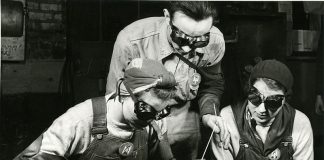
The economics and politics of manufacturing fetishism
As politicians vie with each other to express their love of manufacturing industry, John pulls together thoughts developed over three decades on what he has come to call the 'manufacturing fetish'.